
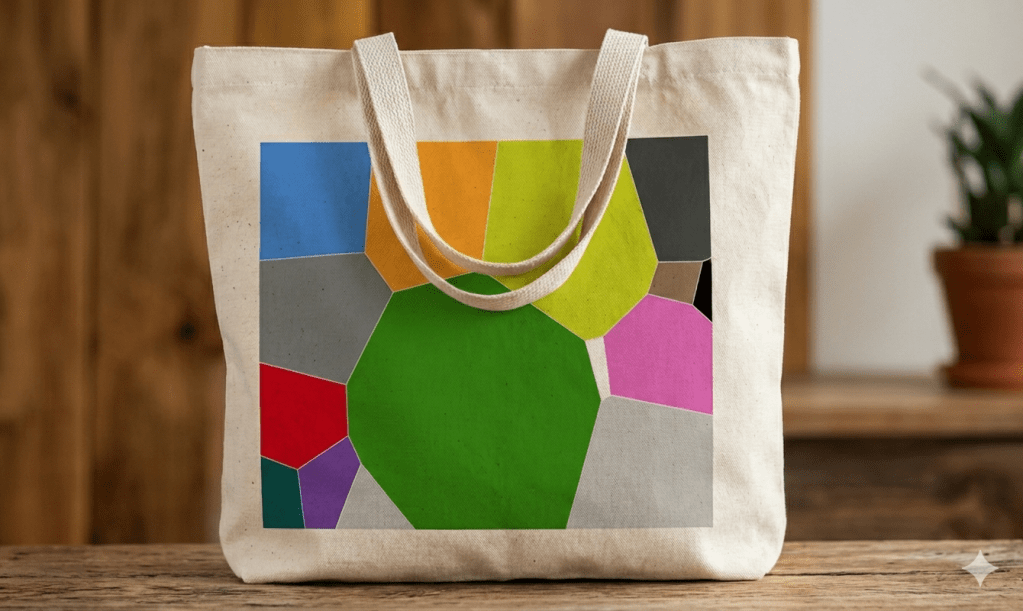
Can data function as a pattern for a design? By visualising the statistical information, the resulting pattern becomes more than just a representation—it becomes a new aesthetic, where the layout of the city determines the design composition.
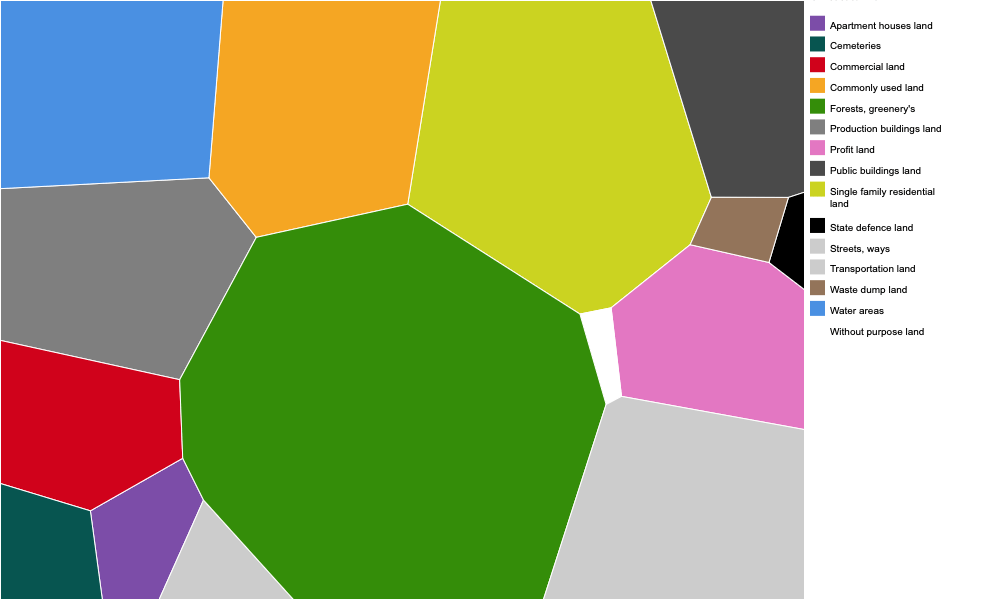
This is the urban fabric of Tallinn based on real data. The largest green section signifies green spaces, which make Tallinn a relatively green city. The blue stands for water, while other sections mark various land uses across the city, ranging from residential areas to commercial and public land. The use of different, contrasting colors depicts the city as a vibrant place where all its many functions come together.
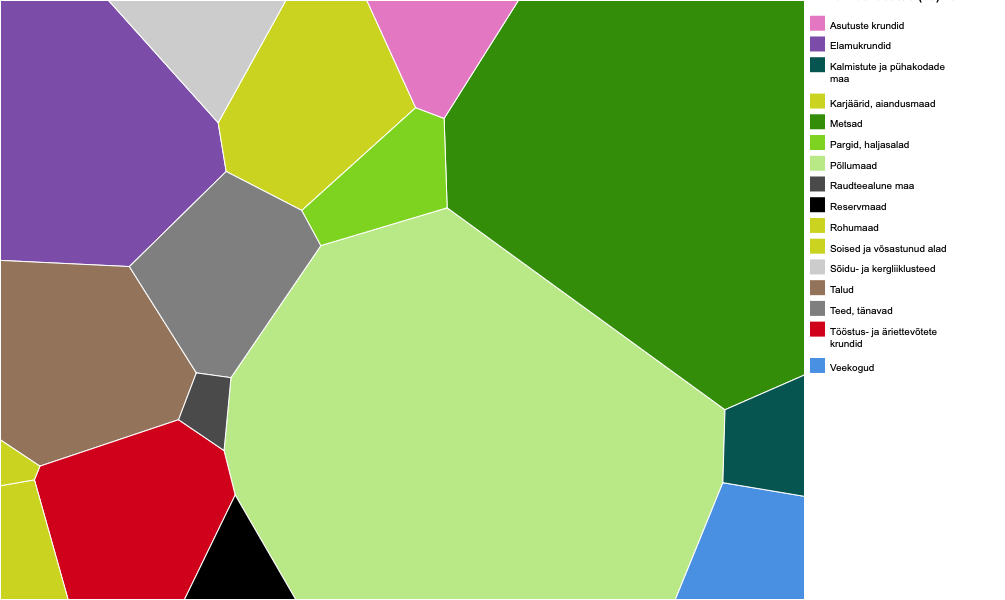
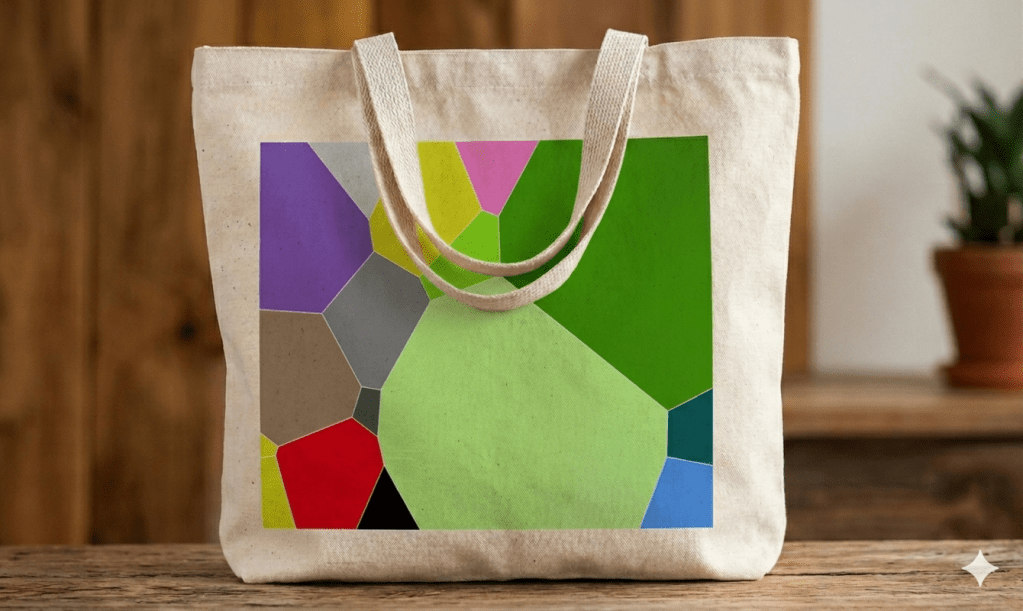
Other cities have a different functional composition and the urban fabric of Tartu has a different vibe. Interestingly, almost a decade ago the city merged with a neighbouring, predominantly rural municipality, which means that a majority of the official city land is now either forest or field. Yet, apart from farming, there is much else going on in this young-minded university, science, and startup city.
 Helen Ilus